

Massage
Sed ut perspiciatis unde omnis iste natus error sit voluptatem accusantium doloremque laudantium, totam rem aperiam, eaque ipsa quae ab illo inventore veritatis et quasi architecto beatae vitae dicta sunt explicabo. Nemo enim ipsam voluptatem quia voluptas sit aspernatur aut odit aut fugit, sed quia consequuntur magni dolores eos moonraker.
Sed ut perspiciatis unde omnis iste natus error sit voluptatem accusantium doloremque laudantium, totam rem aperiam, eaque ipsa quae ab illo inventore veritatis et quasi architecto beatae vitae dicta sunt explicabo. Nemo enim ipsam voluptatem quia voluptas sit aspernatur aut odit aut fugit, sed quia consequuntur magni dolores eos moonraker.
Sed ut perspiciatis unde omnis iste natus error sit voluptatem accusantium doloremque laudantium, totam rem aperiam, eaque ipsa quae ab illo inventore veritatis et quasi architecto beatae vitae dicta sunt explicabo. Nemo enim ipsam voluptatem quia voluptas sit aspernatur aut odit aut fugit, sed quia consequuntur magni dolores eos moonraker.
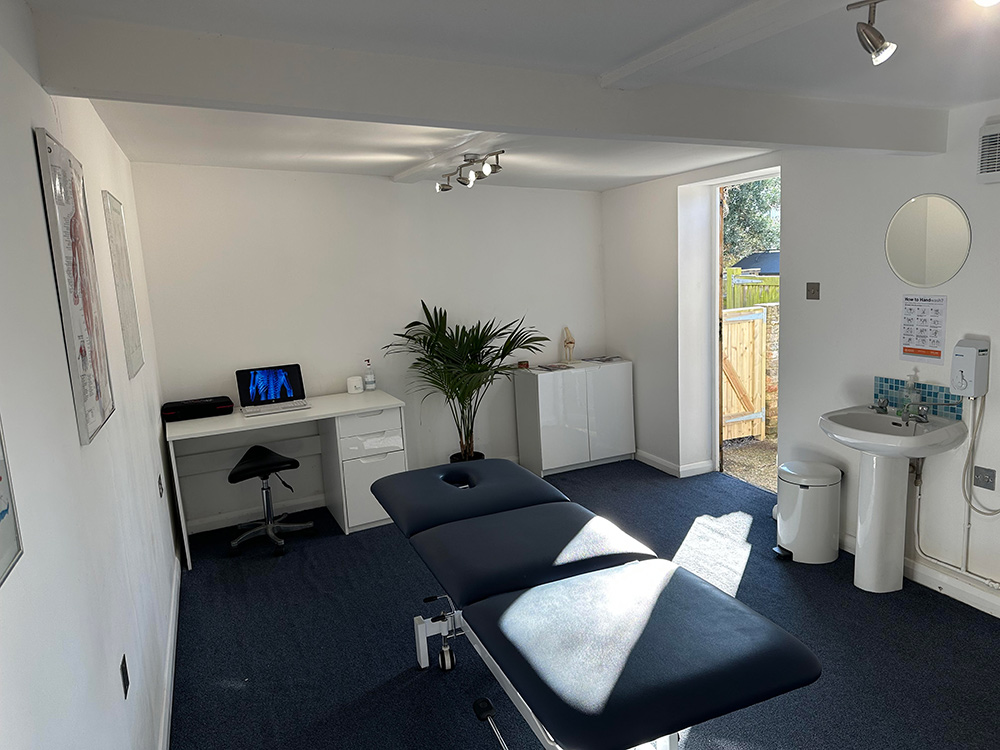
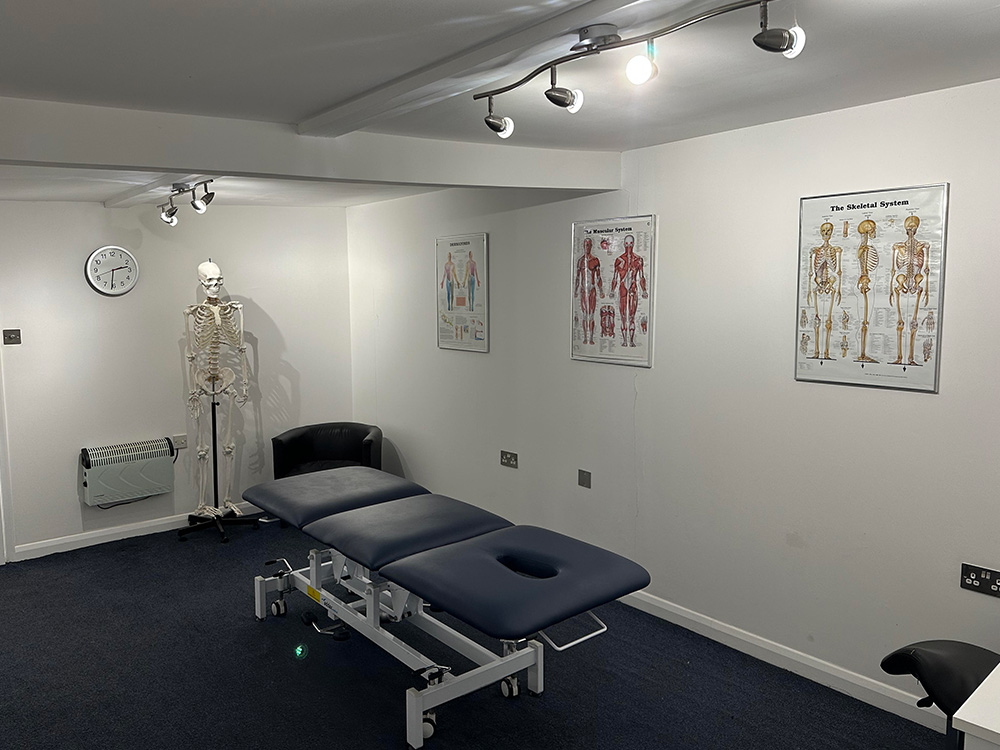
- WHAT IS OSTEOPATHY?
- WHAT TO EXPECT FROM YOUR CONSULTATION
- WILL TREATMENT HURT?
- HOW CAN OSTEOPATHY HELP?
Osteopathy is an established, recognised system of diagnosis and treatment for a wide range of medical conditions that lays its main emphasis on the structural integrity of the body. It is distinctive in the fact that it recognises much of the pain and disability we suffer stems from abnormalities in the function of the body structure as well as damage caused to it by injury and disease.
Osteopathy uses many of the diagnostic procedures used in conventional medical assessment and diagnosis. Its main strength, however, lies in the unique way the patient is assessed from a medical and musculoskeletal standpoint and the manual methods of treatment applied to suit the needs of the individual patient.
Osteopaths use touch, physical manipulation, stretching and massage to increase the mobility of joints, to relieve muscle tension, to enhance the blood and nerve supply to tissues, and to help your body’s own healing mechanisms. They may also provide advice on posture, exercise and nutrition to aid recovery, promote health and prevent symptoms recurring.
Osteopathy uses many of the diagnostic procedures used in conventional medical assessment and diagnosis. Its main strength, however, lies in the unique way the patient is assessed from a medical and musculoskeletal standpoint and the manual methods of treatment applied to suit the needs of the individual patient.
Osteopaths use touch, physical manipulation, stretching and massage to increase the mobility of joints, to relieve muscle tension, to enhance the blood and nerve supply to tissues, and to help your body’s own healing mechanisms. They may also provide advice on posture, exercise and nutrition to aid recovery, promote health and prevent symptoms recurring.
Your initial consultation will take around an hour and will begin with a 10/15 minute case history about the presenting complaint. This will allow the osteopath to gather all of the relevant information for this particular case needed in order to start to formulate a differential diagnosis and to also ascertain whether the patient is safe to treat or possibly requires a different type of medical intervention.
After the case history is complete the osteopath will carry out a thorough examination to further test their theory about what the problem could be. At this point the patient may be asked to remove some items of clothing so that the osteopath can observe the specific area of discomfort or pain more closely. This will allow the osteopath to check for swelling, bruising and inflammation and also to help assess a patient’s posture more accurately which may help to identify the origin of the problem.
Once the osteopath has a good understanding of the presentation they will discuss this with the patient in terms that they can understand and discuss the possible types of treatment that would be suitable and work out a treatment plan that the patient can consent to.
After the case history is complete the osteopath will carry out a thorough examination to further test their theory about what the problem could be. At this point the patient may be asked to remove some items of clothing so that the osteopath can observe the specific area of discomfort or pain more closely. This will allow the osteopath to check for swelling, bruising and inflammation and also to help assess a patient’s posture more accurately which may help to identify the origin of the problem.
Once the osteopath has a good understanding of the presentation they will discuss this with the patient in terms that they can understand and discuss the possible types of treatment that would be suitable and work out a treatment plan that the patient can consent to.
An osteopath uses many different types of treatment approaches to help their patients. Some of the treatment will be quite relaxing and therapeutic whilst other stronger types may feel quite uncomfortable. The practitioner will only use treatments that they feel are appropriate for each specific case. However, it is perfectly normal for a patient to experience more pain the following day. In this case, the treatment will have had a very specific effect on the given area which will lead to the body’s natural healing response kicking in. Unfortunately, this response may cause inflammation and thus pain. This does also mean that the treatment has been effective and usually results in an improvement in the following days.
Osteopathy may help to provide relief for a number of problems that may arise in everyday life. Here are a few examples of some of the types of presentations that may benefit from treatment
- Low back pain
- Neck pain
- Headaches and migraines
- Sciatica
- Frozen shoulder
- Tight muscles
- Joint pain
- Sports injuries
- Symptoms arising from pregnancy
- Rheumatic and arthritic conditions
